
Introduction
What Is Facade Design?
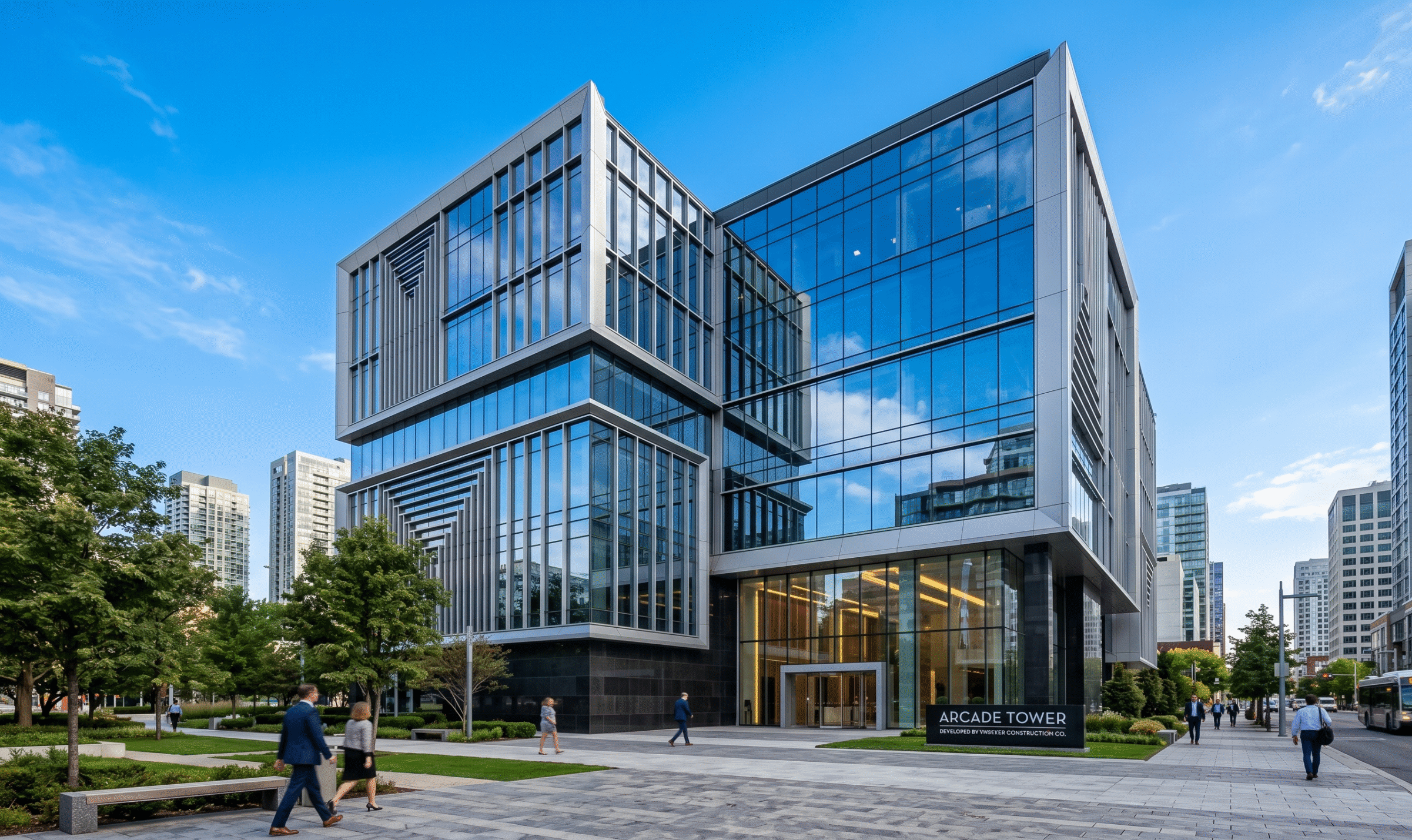
A building’s facade is more than its exterior appearance—it’s the first impression, a protective barrier, and a reflection of architectural vision. Modern facade design combines aesthetics, sustainability, and functionality to create structures that stand out while delivering long-term performance.
Facade design refers to the planning and construction of a building’s exterior envelope. It influences energy efficiency, weather protection, and the overall identity of a project.
Key Benefits
- Enhances visual appeal and property value
- Improves thermal insulation
- Maximizes natural lighting
- Reduces maintenance costs
- Supports sustainable building practices
Modern Trends
Today’s facade systems incorporate glass, ACP panels, aluminum elements, and smart shading solutions that create elegant and energy-efficient buildings.
Conclusion
A thoughtfully designed facade transforms an ordinary building into a landmark while ensuring durability and comfort for years to come.
2. Modern Architecture: Shaping the Future of Urban Spaces
Published: July 2025
Introduction
Modern architecture focuses on simplicity, innovation, and functionality. By combining advanced materials with creative design concepts, architects create spaces that are efficient, sustainable, and visually striking.
Principles of Modern Architecture
- Clean lines and minimalism
- Open floor plans
- Natural light optimization
- Sustainable construction methods
- Integration of technology
Why It Matters
Modern architectural solutions improve occupant comfort while reducing energy consumption and environmental impact.
Materials That Define Modern Buildings
- Structural glazing
- ACP cladding
- Aluminum framing
- High-performance glass
- Steel structures
Conclusion
Modern architecture is redefining skylines by balancing aesthetics, performance, and sustainability in every project.